+86 21 5295 5275
将你的产品或服务置于有利的商业地位的能力。
客户将产品或服务的价值主张与他们的需求相匹配。当然,最终目标是让顾客重复购买。为了获得竞争优势,公司通过不断进化的独特性来抵御竞争。然而,消费者也可能会凭直觉购买,仅仅是因为感觉它是正确的。人们通常想要容易的东西,比如选择一个市场领先的产品。有了竞争优势,公司不想损害舒适和熟悉感。
那么如何获得竞争优势呢?首先,如果你先得到第一名。其次,在早期积极定价以赢得市场份额,使公司成本更低,相对市场份额更高,盈利能力更高。早期份额优势非常重要。提供免费的产品或服务是建立客户习惯的一个聪明策略。公司必须保持他们的产品是最新的,但改变应该以这样的方式引入,一个新版本的服务或产品保留旧的竞争优势。观察业务,建立影响客户体验的外部流程和人员。或者,研究客户体验——他们的欲望和需求,然后一个组织可以交付满足客户需求的过程,从而随着时间的推移交付一个相当大的竞争优势。当所有业务流程都能满足客户的需求时,客户最开心。
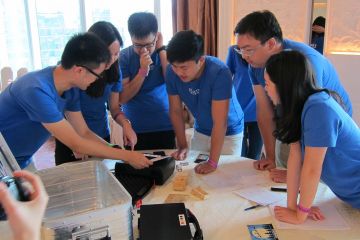
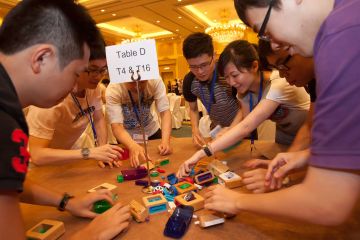
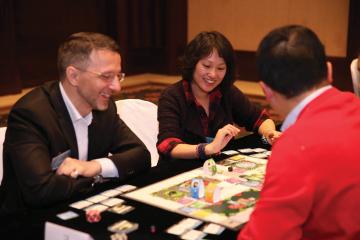
团队建设计划和体验式商业游戏是强调竞争优势对员工重要性的有效途径。它们也是一种发展获得竞争优势的行为和思维的好方式。
看一下这些来自Catalyst的注重竞争优势元素的团队建设项目。
您可以查看下列相关的热门精选项目。如您需要我们为您的决策提供帮助,或是想要了解其他信息,请
联系我们
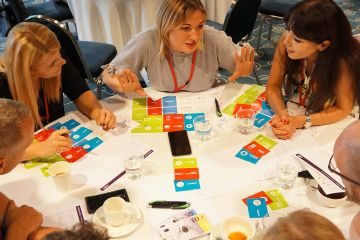
Global Innovation Game
我们相信每个人都可以成为创新者!这个团建活动可以激发队员们在投资方面的创新思维!
Silk Road
一个有趣、快节奏、高度拟真的主题类游戏,在该游戏中可以探索谈判、信息收集和人脉拓展的技巧。
Essence of Excellence
让你的团队来到调香师体验之旅,为目标群体创造并调配符合客户需求的香水
Go Team
这是高科技式的寻宝游戏,将任何地区变成一场充满互动及冒险的惊人比赛。
Beat the Box
团队需要结合他们的各种技能,开发创造性的解决方案,以破解密码。要赢得比赛,他们必须将密码输入到电子密码锁,并在停止倒计前解锁!
Flat Out Formula One
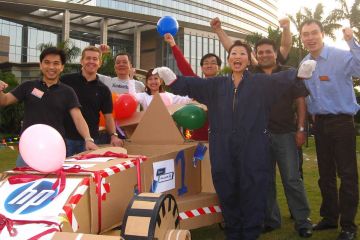
藉着制造及驾驶一架真人大小尺寸的纸板F1赛车,测试团队的合作性。
Need for Speed新品发布
新项目Need 4 Speed的项目亮点
2016 年人力资源峰会之彻底革新
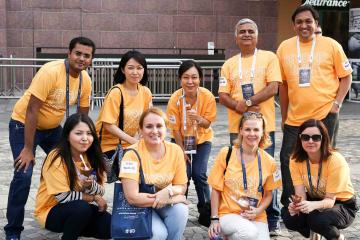
近期于香港会议展览中心召开的人力资源峰会盛况空前。每天前来的与会代表超过 2500 人。彻底革新是此次会议的一项重大主题。在会上,Catalyst Global 开发的领导力培养和团队建设桌游 Peak Performance的首发亮相获得了广泛关注。
NetJets航空的年度会议
在全球创新型航空公司 ----NetJets的年度会议上,为继续推进他们过去的成功。也从新的维度培养公司内部人员和各部门之间的关系,Catalyst 为NetJets的年度会议做了精妙的安排。